At least 165 schoolgirls and staff were killed in a strike on a school in southern Iran, the deadliest civilian incident reported so far in the US–Israeli war against Tehran, deepening fears of a wider regional escalation. The core news event is an intensifying global conflict in a major energy-producing region, which typically pushes up “risk premiums” in oil markets and unsettles global trade and financial sentiment.
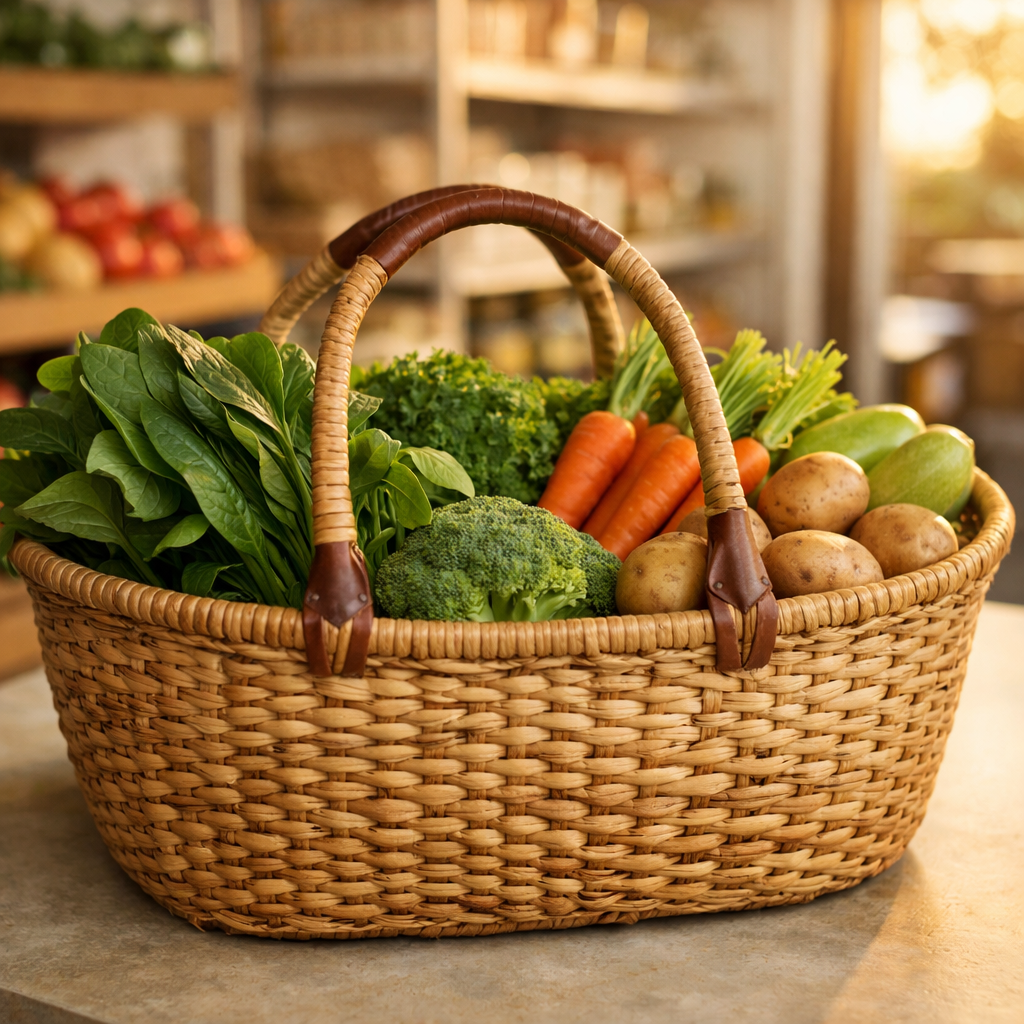
For South African households, the immediate direct cost is most likely to come through higher fuel and transport-related expenses if crude oil and refined-product prices rise on disruption risks. Even a short-lived spike in global oil prices can filter into local petrol and diesel costs at the pump, raising monthly spending for commuters, school runs and small businesses that rely on deliveries, while also lifting the cost of items whose prices include transport—fresh produce, packaged foods and household essentials.
A second direct channel is the rand: heightened geopolitical uncertainty often strengthens the US dollar and can weaken emerging-market currencies, making imported goods more expensive in rand terms. That can add pressure to electricity-related inputs, medicines, electronics, and any grocery items with imported components, while potentially complicating the inflation outlook—something that matters to consumers because it influences how aggressively retailers pass on costs and how quickly price increases show up in everyday baskets.
In practical terms, households most exposed are those with long commutes, high delivery dependence, or tight budgets where transport is a large share of monthly spend. Consumers may respond by trimming discretionary travel, consolidating shopping trips, shifting toward more fuel-efficient driving habits, or prioritising public transport where available, while watching for knock-on price increases in food and other staples as suppliers reprice in response to higher logistics and currency costs.