
South Africa’s government will not scrap Black Economic Empowerment (BEE) laws despite a claim by the US ambassador that loosening the rules could unlock “billions of dollars” in additional investment, with Trade, Industry and Competition Minister Parks Tau responding with a flat “no”. The core news event is a policy standoff over transformation regulation and its perceived effect on foreign direct investment and business confidence.
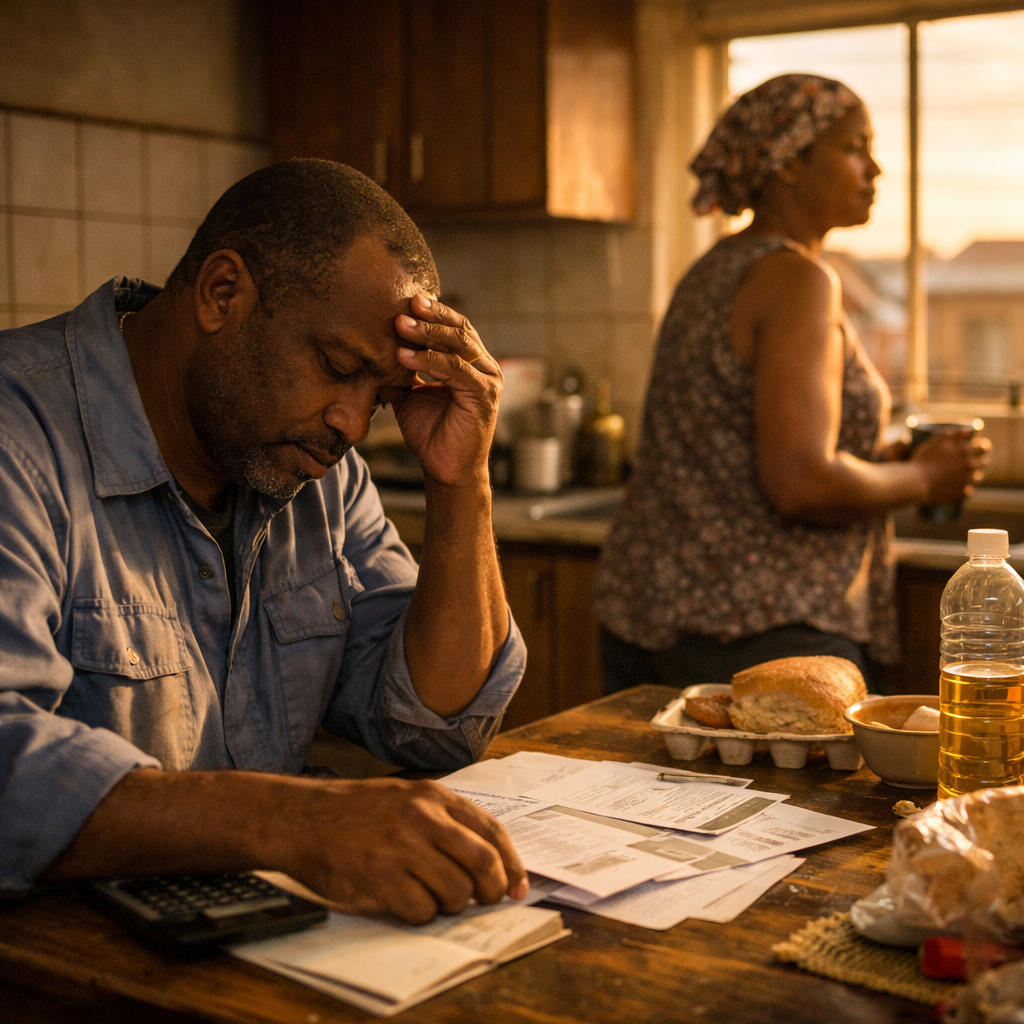
For households, there is no immediate, line-item “direct cost” like a tax hike or an interest-rate move, but the near-term pocketbook impact comes through the job market and wage growth. When big investors delay or scale down projects due to regulatory uncertainty, fewer new factories, service centres and expansions translate into fewer vacancies, slower promotions and weaker bargaining power for workers, especially in sectors that rely on global capital and export demand.
The second-order effect is financial: weaker investment inflows can weigh on overall economic growth and, at the margin, put pressure on the rand during periods of global risk aversion. A softer currency tends to raise the rand price of imports—fuel, electronics, some food inputs and medicine—feeding into living costs. If inflation proves stickier as a result, interest rates could also stay higher for longer than they otherwise would, keeping repayment pressure elevated on home loans, vehicle finance and credit cards.
For the average South African, the practical takeaway is that this debate matters less as an immediate bill and more as a growth and confidence signal: it influences how quickly the economy can generate work, how stable prices are, and whether borrowing costs ease. In the short run, households should assume no policy change and plan budgets conservatively—prioritising debt repayment buffers and emergency savings—because any knock to growth or the currency typically shows up first in employment prospects and then in everyday prices.