South Africa’s retail sector is facing renewed pressure to increase localisation of the products it sells, as policy makers and industry voices argue that more must be done to protect local suppliers from cheap imports. The core news event is the push for localisation and tighter protection of domestic producers in mainstream retail, driven by concerns that imported goods are undercutting local manufacturing and jobs.
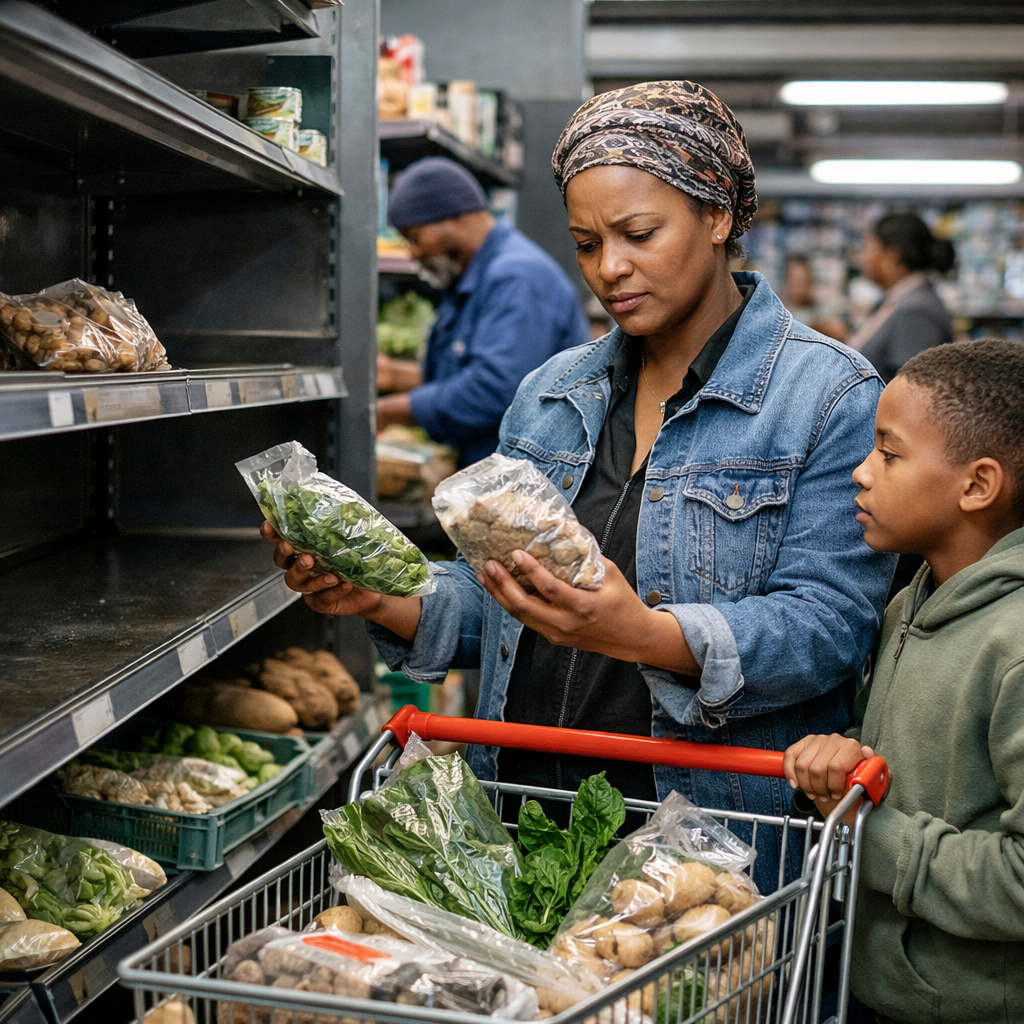
For households, the direct cost shows up first in the price on the shelf: if retailers shift sourcing from the lowest-cost imports to local producers that have higher input costs (electricity, logistics, compliance and finance), some everyday categories—especially clothing, textiles, household goods and certain processed foods—could become more expensive in the short term. A family that currently relies on “budget” imported options may feel this immediately in a higher monthly shopping bill, even if volumes bought stay the same.
The counter-argument is that localisation can reduce price shocks over time by cutting exposure to rand weakness, global shipping disruptions and sudden import-surge pricing tactics that wipe out local competitors and then leave consumers with fewer choices. If local producers scale up and compete effectively, retailers can secure more predictable supply and pricing, which matters most for staples and school-related purchases where substitution is limited and households have little flexibility.
What to watch next is whether “protection” takes the form of stronger local-content requirements in retail supply chains, stricter import enforcement against under-invoicing and counterfeit goods, or outright tariffs on selected product lines—each has different inflation implications. In the near term, consumers should expect retailers to promote locally made ranges more aggressively and to adjust private-label sourcing; the household impact will be felt as a trade-off between potentially higher prices now versus greater job support and more stable pricing power inside South Africa over the medium term.